Binance Review 2026: A Deep Dive into Binance Staking, Trading Fees, and Platform Security
As we navigate the evolving digital asset landscape of 2026, Binance remains the undisputed titan of the cryptocurrency exchange world. For traders looking to maximize their portfolios, understanding the nuances of Binance staking, fee structures, and the platform's user experience is essential. This comprehensive review deconstructs the world’s largest exchange to see if it still holds the crown for both retail and institutional investors.
User Experience: Complexity Meets Customization
Binance has mastered the art of catering to two distinct audiences through its dual-interface approach. The "Binance Lite" mode provides a simplified, "one-click" buy/sell experience for newcomers, while "Binance Pro" offers a sophisticated suite of charting tools, order types, and market depth indicators.
The mobile app remains the gold standard in the industry, offering seamless transitions between Spot, Futures, and the Web3 Wallet. While the sheer volume of features can be overwhelming at first, the UI is remarkably responsive, maintaining low latency even during periods of extreme market volatility.
Maximizing Returns with Binance Staking
In 2026, Binance staking has evolved into a multi-faceted ecosystem under the "Binance Earn" umbrella. It is no longer just about locking up tokens; it is a sophisticated yield-generation engine.
- Simple Earn: Offers flexible and locked options for hundreds of tokens. Flexible products allow for instant redemption, while locked products offer higher APRs for fixed terms (30, 60, or 120 days).
- ETH Staking: Binance provides a liquid staking solution for Ethereum, allowing users to earn rewards while maintaining liquidity through the use of wrapped tokens.
- Launchpool: A fan-favorite feature where users can stake BNB or stablecoins to farm new project tokens before they hit the main exchange.
- DeFi Staking: Binance acts as a bridge to various decentralized protocols, allowing users to access DeFi yields without the complexity of managing multiple external wallets.

Fee Structure: The Industry Benchmark
Binance’s competitive edge has always been its aggressive pricing. The standard trading fee starts at a low 0.1% for both Maker and Taker orders. However, savvy traders can significantly reduce these costs:
- BNB Deduction: By holding Binance Coin (BNB) and using it to pay for fees, users receive a 25% discount.
- VIP Levels: High-volume traders (based on 30-day trading volume) can reach VIP tiers, further slashing fees and even reaching negative maker fees in some institutional categories.
- Zero-Fee Pairs: Binance frequently runs promotions for zero-fee trading on major pairs like BTC/FDUSD or ETH/TUSD, making it the most cost-effective platform for high-frequency trading.
Liquidity and Execution
Thick order books are the backbone of Binance. For large-scale traders, liquidity is paramount to prevent slippage. Binance consistently reports the highest 24-hour trading volume globally, ensuring that even multi-million dollar orders are executed with minimal price impact. This deep liquidity extends across its Spot, Margin, and Perpetual Futures markets.
Security, Compliance, and Support
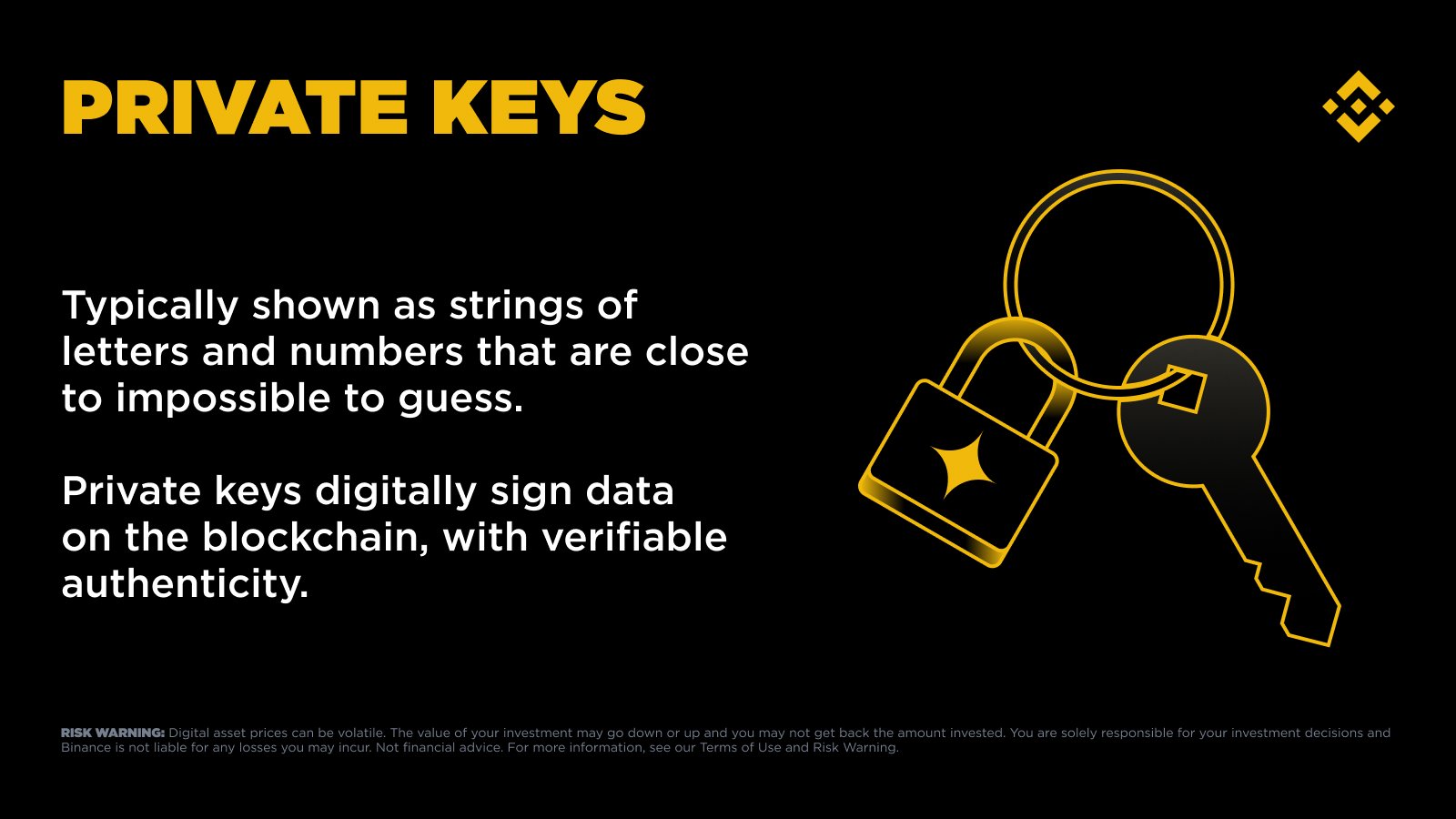
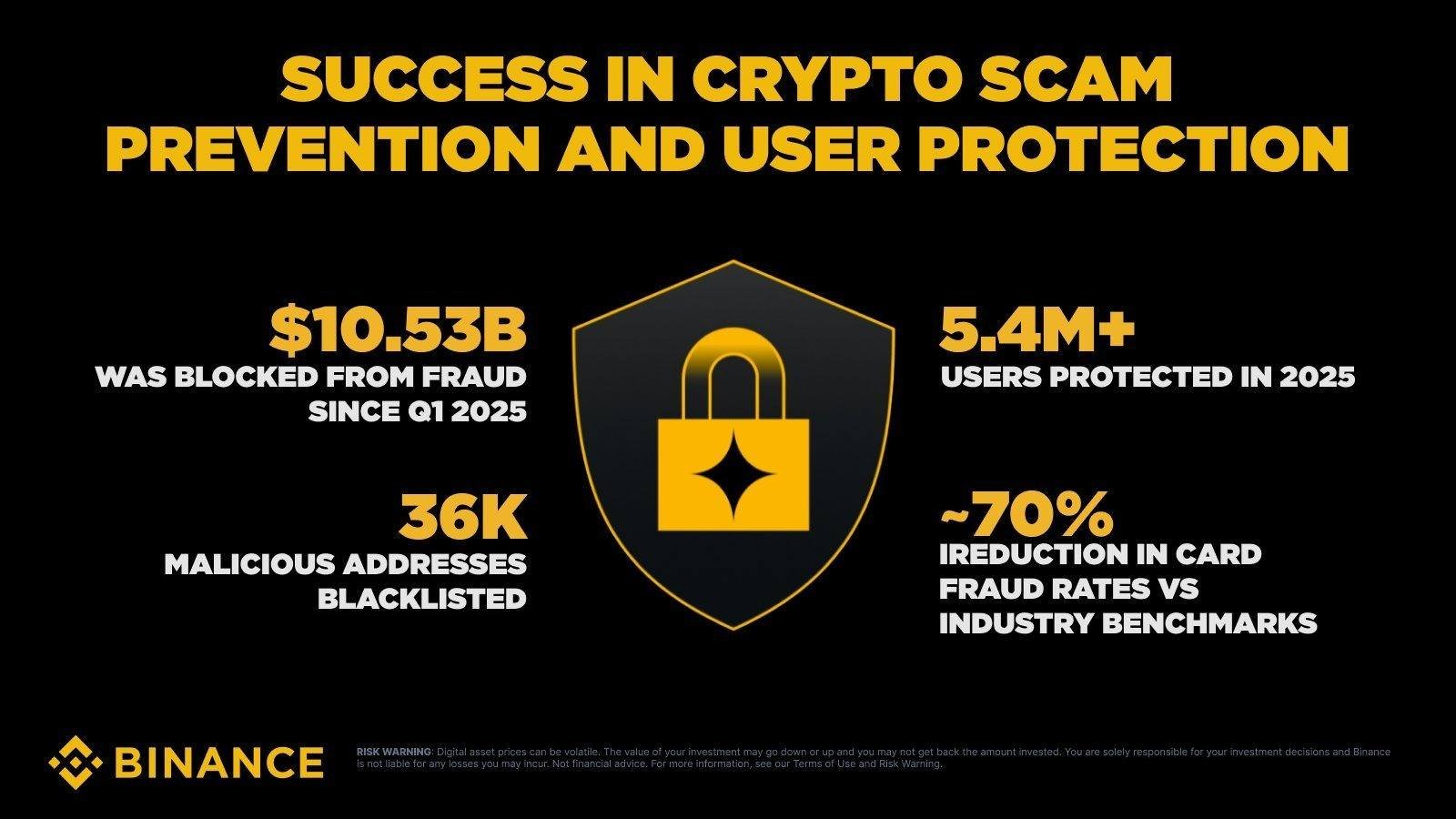
Security is the cornerstone of the Binance ecosystem in 2026. The exchange utilizes a multi-tier and multi-cluster system architecture to ensure stability.
- Proof of Reserves (PoR): Binance provides transparent, Merkle-tree-based proof that all user assets are backed 1:1.
- SAFU Fund: The Secure Asset Fund for Users (SAFU) acts as an emergency insurance fund to protect users in extreme cases.
- Customer Support: Binance offers 24/7 multilingual support via a live chat system. While automated bots handle initial queries, the escalation process to human agents has seen significant speed improvements over the years.
Pros and Cons of Binance
| Pros | Cons |
|---|---|
| Industry-leading liquidity and low slippage | Steep learning curve for the "Pro" interface |
| Massive variety of Binance staking options | Regulatory restrictions vary by country |
| Extremely low fees with BNB discounts | Customer support can be slow during peak bull markets |
| Robust mobile app and Web3 integration | Extensive KYC requirements for all features |
Frequently Asked Questions (FAQ)
Is Binance staking safe?
While no investment is entirely risk-free, Binance uses institutional-grade security to protect staked assets. However, users should be aware of "slashing" risks in on-chain staking and the price volatility of the underlying assets.
Do I need to complete KYC to trade?
Yes, in 2026, Binance requires mandatory Identity Verification (KYC) for all users to comply with global financial regulations and to ensure the security of the platform.
How do I reduce my trading fees?
The easiest way is to hold BNB in your spot wallet and toggle the "Use BNB to pay for fees" option in your profile settings.
Final Verdict
Binance continues to set the pace for the crypto industry in 2026. Whether you are looking for the passive income potential of Binance staking or the high-octane environment of leveraged futures trading, the platform provides the tools and liquidity necessary for success. While the interface is complex, the rewards for mastering the ecosystem are substantial.
Disclaimer: This article is for informational purposes only and does not constitute financial, investment, or legal advice. Cryptocurrency trading and staking involve significant risk of loss. Always perform your own due diligence before committing funds to any digital asset platform.
Binance Exchange Review 2026
binance download
binance staking
binance vs coinbase
binance api
binance academy
binance smart chain
binance referral code
binance sign up
binance fees
binance login
binance us
binance app
binance support
binance coin
bnb
binance exchange
binance futures
binance wallet
binance p2p
Running Shoes
BingX Exchange Review 2026
bingx copy trader
bingx exchange review
bingx ftx
bingx gold
bing bon exchange
bing x apk
bing x review
bingbon bingx
Bybit Exchange Review 2026
bingx copy trader
OKX Exchange Review 2026
Claim up to 10,000 USD in Mystery Boxes
bingx copy trader